

Your Booth Is for Scouts, Not Buyers

Forty thousand dollars for the booth. Four people. Three days on your feet on a trade show floor.
Two hundred scans, a respectable pipeline number, and a debrief where somebody says it felt like a good show.
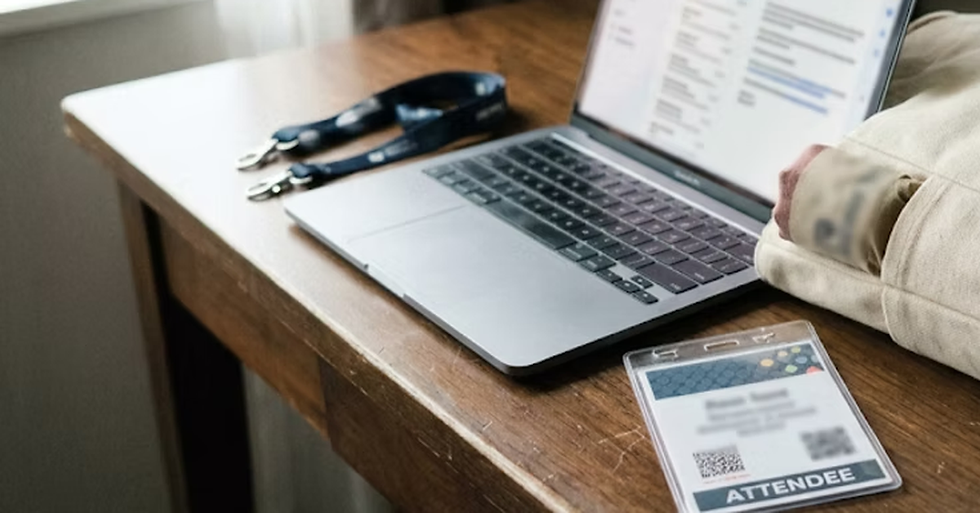
Six weeks later, three have advanced in the pipeline and the rest have gone quiet.
Not rejected. Quiet.
Here is what happened to most of those two hundred. They liked it. They went home.
Then, somebody asked them what you do, and they got as far as AI and workflow before they stopped and said they would send the link.
Then they did not send the link.
Nobody on That Floor Was Bad. Everybody Was Identical.
Including you.
Every booth in that hall was worked by somebody competent, running a demo built to convince the attendee in front of them, handling the objection, getting to the value.
Forty companies, forty versions of the same six minutes. Which is why almost none of it survived the trip home.
No attendee chose between the booths on the floor. They chose two days later, from memory, and by then the whole hall had collapsed into one grey shape called vendors I talked to.
What Actually Selects
Here is the uncomfortable mechanism, and every show report gets it wrong.
An attendee names whichever booth they can still articulate. Not the best one. Not the strongest product. The one that left them a sentence.
That is not a preference or a bias. It is arithmetic.
Anything an attendee cannot repeat does not reach the room where the shortlist is made, and a booth that does not reach that room may as well not have exhibited.
On a crowded floor, memorability is not a bonus sitting on top of quality. It is the selection mechanism.
A Booth Demo Is Not a Demo
Worth separating, because the word covers four different things and most teams build one.
There is the ninety-minute enterprise demo, run for a committee, half of them holding a requirements document. There is the recording that gets forwarded. There is the executive briefing that is called a demo and is really a business case with screens in it.
And there is the one you ran two hundred times. Six minutes, standing up, to somebody whose feet hurt.
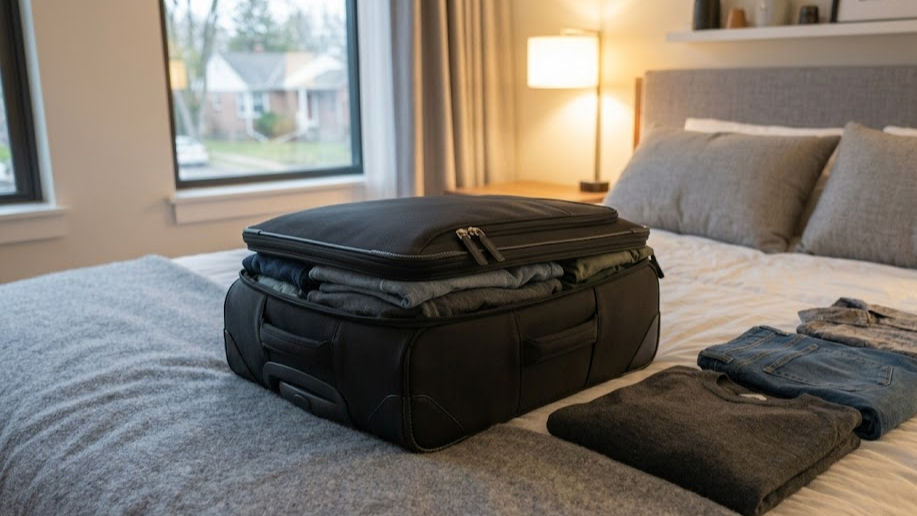
Same product, four different jobs. Bring the enterprise version to a floor and you have packed luggage nobody can lift.
Every One of Them Was Sent
Almost nobody who stopped at your booth came to buy anything.
They were sent. That is what a scout is, and almost every badge in that hall belongs to one.
A manager asked one of them to see what is out there.
An architect was checking three vendors against a requirements list somebody else wrote.
A director was scouting a category the CFO raised last quarter.
Count the people in that hall who could sign something. It is a short list and it is not who is walking the aisles.
So all two hundred of your conversations were aimed at persuading somebody who was never deciding, and the meeting that decides anything happens in a room you will never enter.
Convinced Is Not Equipped
Each attendee needed something to carry. You gave them something to believe.
Those are different jobs, and the second is harder to build, because whatever an attendee leaves with has to work without you, spoken by somebody who does not sell for a living, to an audience with no context.
That is the fourth gate, and a booth is where it gets tested hardest.
The booth an attendee names is the one that gave them a sentence like this:
They cut invoice coding time in half at a company our size, and the AP lead stopped working Sundays.
That can be said in a hallway, tired, three days later. It is not a pitch. It is a fact with a person in it, and it is what a shortlist is actually built from.
Four Blanks
Build your own:
We helped [somebody like them]
cut [the thing that hurts]
by [a number],
and [a named role]
got [something back].
The first blank is the credential, and it has to be their size or their industry, not your logo wall.
The second is a problem they already have, in the words they would use for it.
The third is the only number in the sentence.
The fourth is the one everybody leaves out, and it is the one that gets repeated.
Fill it in with your words and it dies on delivery. Fill it in with theirs and it travels.
Then test it the only way that counts. Say it out loud, tired, without looking. If you cannot, it is too long. Then have somebody at the booth say it back, and if they cannot, it is not theirs yet.
The Two Hundred
Each of those scans is an attendee who liked it and cannot repeat it, standing in a room you will never see.
So while one of them is still at the booth, ask who else needs to hear this, and build the next four minutes for that absent person rather than the one in front of you.
Then ask what they will say back at the office. Whatever comes back will be missing the number or the person it happens to. Fix that one thing and let them go.
The Number Nobody Counts
Scans measure how many people stopped.
Nothing measures how many attendees could still explain you two days later, in front of somebody who was not there.
In a hall where every booth is good, that is the only number that decides anything.
-BZ


Comments