

Why Your Resume is a Checklist but Your Career is a Story

On Monday, July 23, 1990, I walked into Andersen Consulting for my first day of work.
Starched white shirt (tab collar), dark suit, power tie, shined wing tips and no clue about what this first step would lead to.
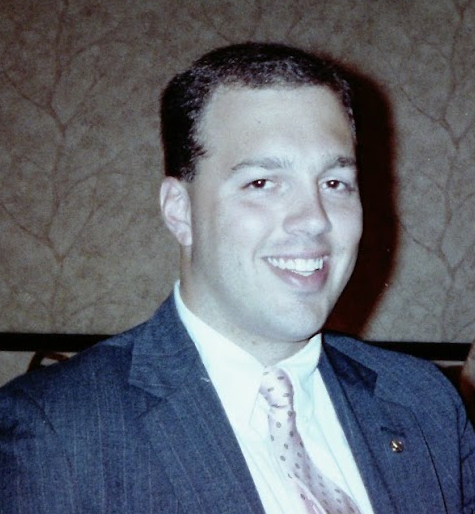
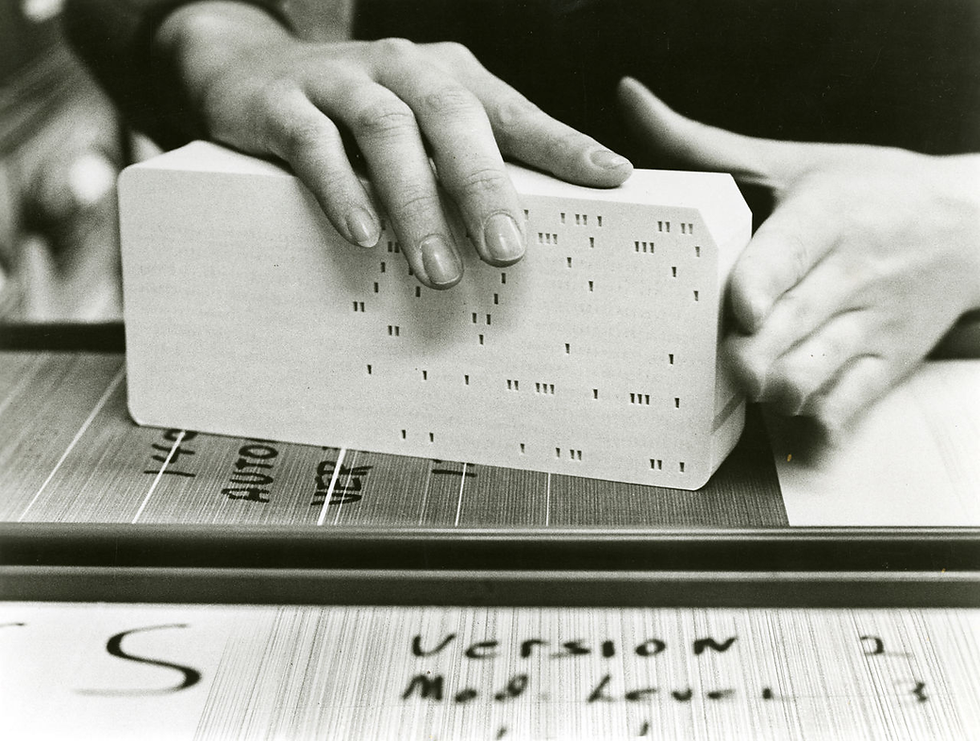
We all learned COBOL that summer, you hear about that today in commercials for hiring websites where the robots are malfunctioning.
Nothing about that Monday told me I would spend the next three decades in enterprise software, land in PropTech, or end up coaching leaders on how to tell a story that moves a room.
Thirty-six years later, that first Monday is the only fixed point on the whole line.
On paper the decades look like distinct chapters. Systems integrator. Industry analyst. Executive leader. PropTech evangelist. Coaching.
Clean breaks, tidy dates, a nice orderly progression that never actually happened that way. Read a career as a collection of dates and titles and you miss the only thing that matters. You miss the vector.
A Checklist Points Backward. A Vector Points Forward.
A resume is a list of where you have been.
A career narrative is a story of where you are going and why it matters.
That distinction is not semantic. In high-stakes leadership, people are not really hiring your competence. Competence is table stakes and they assume it before you walk in.
What they are actually doing is investing in your trajectory, and a trajectory requires a direction.
The Museum Exhibit Problem
Most executives treat their professional identity like a museum exhibit. They curate past achievements, arrange them behind glass, and hope the sheer volume of the collection will stand in for future value.
Experience is a trailing indicator. The fact that you ran a massive program in 1998, or in 2012, matters far less than the why that drove you into it and the why that pulled you out.
And if you cannot articulate the throughline yourself, someone else will do it for you. That is when you stop being a guide and start being a commodity, sorted by years of experience like a bin of parts.
Finding the Throughline
To turn a checklist into a vector, you have to name the anchor that connects roles that look unrelated from the outside. This is the difference between a generalist and a specialist in a specific friction.
Watch what happens to the same thirty-six years.
The Checklist: "I have thirty-six years of experience in enterprise software and IT leadership." A flat fact. It tells you how long I have been working and nothing else.
The Vector: "I have spent thirty-six years bridging the gap between technical complexity and executive decision-making. My career is the story of reducing noise so the signal can lead." That is not a fact. That is a mandate.
The first version tells you my tenure. The second tells you the one problem I am uniquely qualified to solve, and it makes every job on the list evidence for it rather than a stop on a bus route.
From the Swing to the Read
There is a shift that happens in the later stages of a career, and the people who miss it stay stuck.
Your value moves from what "I can do" to how "I can help you do it."
From tactical expert to trusted mentor. It is no longer about your ability to swing the club. It is about your ability to read the green.
That is what an anniversary actually marks. Not the passage of time, which requires nothing from anyone. The accumulation of perspective, which requires paying attention for thirty-six years.
Audit Your Own Bio
Go read your professional bio right now. Strip out every company name and every date. What is left?
If the answer is nothing, you have a checklist, not a career.
Stop listing your titles and start naming your throughline. Find the anchor that connects your first day on the job to the work you are doing this week, and say it in one sentence you would be willing to defend.
Because if you do not define the story of your career, the market will do it for you. And the market almost never gets the why right.
-BZ

Comments